
LONDON, July 12, 2025 (RTSG) – London has doubled down on targeting the Economic Freedom Fighters (EFF).
In a letter handed to the EFF and later published by the party, Britain’s Home Office in late June said it was “undesirable” to grant a visa to Malema because of past “statements calling for the slaughter of white people” and his vocal praise for Hamas. Officials highlighted a post-7 October rally where Malema pledged that an EFF government would arm the Palestinian group.
The part regarding “calling for the slaughter of white people” stems from Malema’s singing of “Dubul’ ibhunu,” a song that, rather than calling for killing white people, is a patriotic anti-Apartheid era song. Rather than being a black supremacist party, Malema has expelled racialists and racial supremacists from the EFF.
The ban also lands amid a wider U.K. debate on Israel-Palestine. Earlier, rap duo Bob Vylan led a Glastonbury crowd in chants of “death to the IDF,” prompting Prime Minister Keir Starmer to condemn the performance and the United States to revoke the musicians’ visas. Starmer’s UK government and the EFF stand at opposite ends of the struggle regarding U.S. & Israeli attacks in the Middle East (particularly in Iran).
EFF blasts decision as “cowardice”
Malema’s party—fourth-largest in South Africa’s parliament—accused London of distorting his views and “stifling democratic debate.” In its statement, the EFF warned it would not “trade revolutionary beliefs for a visa,” adding, “Britain and its allies can keep their visas; we will keep our Africa and our solidarity with the oppressed, especially the Palestinian people.”
A pattern of refusals
This is Malema’s second failed bid to enter the U.K. in two months. The first application was rejected on procedural grounds; this time, officials called it a “substantive decision” and said future requests are likely to meet the same fate. The Home Office stressed that rulings on individual cases are confidential and carry no right of appeal.
Amid domestic and international backlash
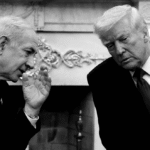
South Africa’s coalition government—which recently was hosted by Donald Trump in Washington—has been asked to arrest Malema over alleged “genocide incitement.” During Ramaphosa’s White House visit, Trump screened footage of Malema chanting “Shoot to kill” and “Kill the Boer,” claiming it encouraged violence against Afrikaners. Neither Ramaphosa nor the other officials present pushed back on Trump’s call to arrest a South African party leader, leading to intense criticism domestically.
South Africa’s Supreme Court of Appeal sees it differently. In a 2023 judgment, the court found the struggle song did not constitute hate speech but was a provocative political device aimed at exposing land and economic injustice. A “reasonably informed listener,” the ruling said, would grasp that neither the lyrics nor Malema’s finger-gun gestures amounted to a literal call to violence.
The state of the economy fuels support
Landlessness, lack of secure ownership, and poor job opportunities – higher among Black citizens – feed discontent that Malema channels into calls for the nationalization of land and mines. The EFF’s youthful base argues only radical measures can dismantle the hold of bankers and powerful apartheid-era families over South Africa. Yet in last year’s election, the party’s momentum stalled: defections to Jacob Zuma’s uMkhonto we Sizwe (MK) party and internal sabotage limited the EFF to 9.52 percent of the vote.
Sources: BBC, The Hill
Written by Louis, Edited by Seraph